How to Choose a Martial Art: 7 Steps to Find Your Fit
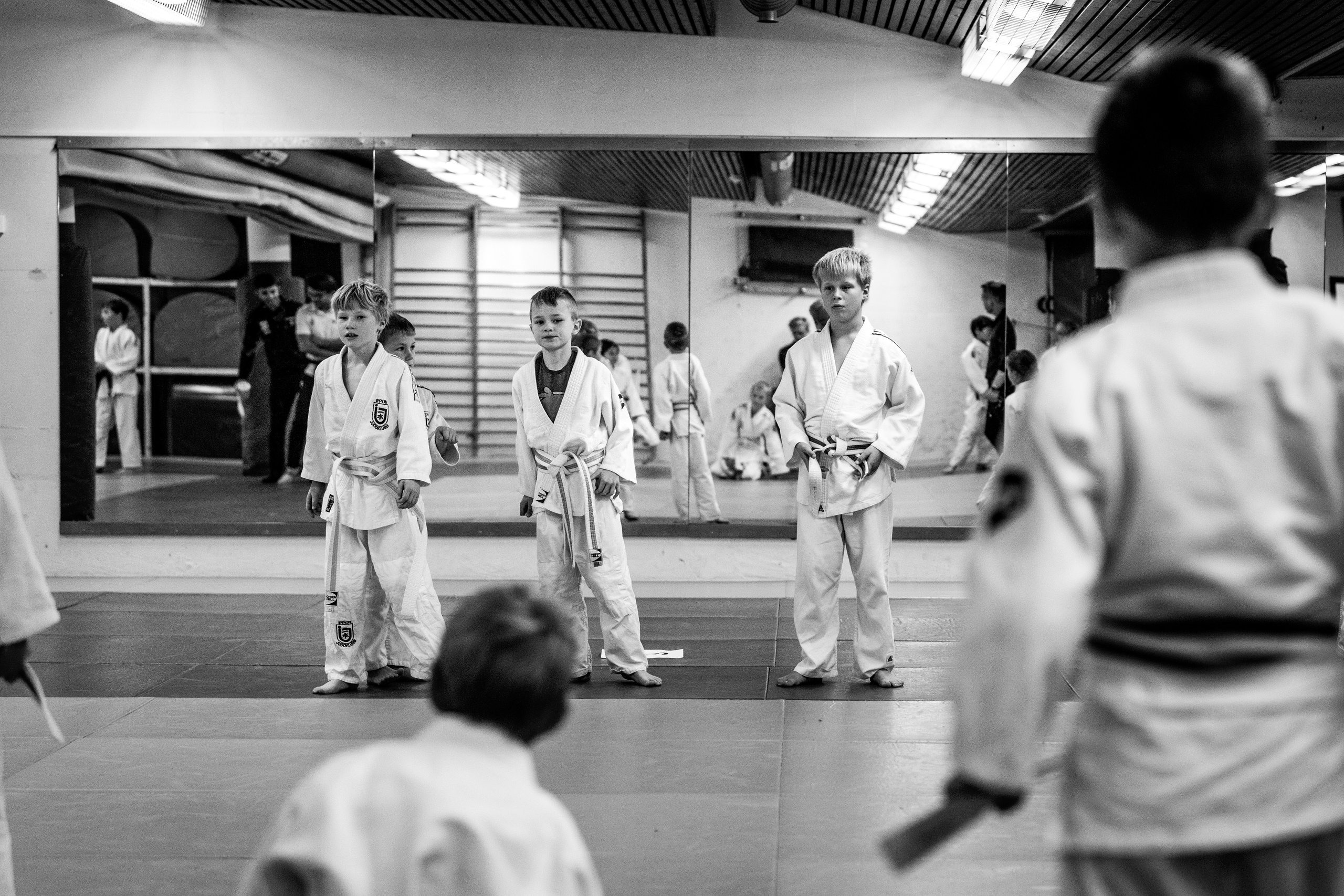
Choosing a martial art isn't about finding the "deadliest" style. It's about matching your goals, your body, and your lifestyle to a discipline you'll actually stick with.
Here's how to work through the decision properly.
1. Define Your Core Objective
Every discipline produces a different outcome. Naming your main goal up front eliminates most of the guesswork.
| Goal | Styles to Consider | Why |
|---|---|---|
| High-intensity fitness | Muay Thai, Taekwondo, Boxing | Continuous movement, heavy conditioning, full-body cardio |
| Practical self-defense | Brazilian Jiu-Jitsu, Krav Maga | Leverage and control let a smaller person handle a larger opponent |
| Discipline and tradition | Karate, Judo, Aikido | Structured progression, mental focus, historical lineage |
| Competition | BJJ, Muay Thai, Wrestling, MMA | Active competitive scenes and clear ranking systems |
| Stress relief, low impact | Tai Chi | Slow, meditative, accessible at any age |
These aren't rigid lanes. Plenty of BJJ practitioners are in the best shape of their lives, and Judo has a serious competitive circuit of its own. Use the table as a starting point, then dig into whichever row matches your top priority.
2. Understand Striking vs. Grappling
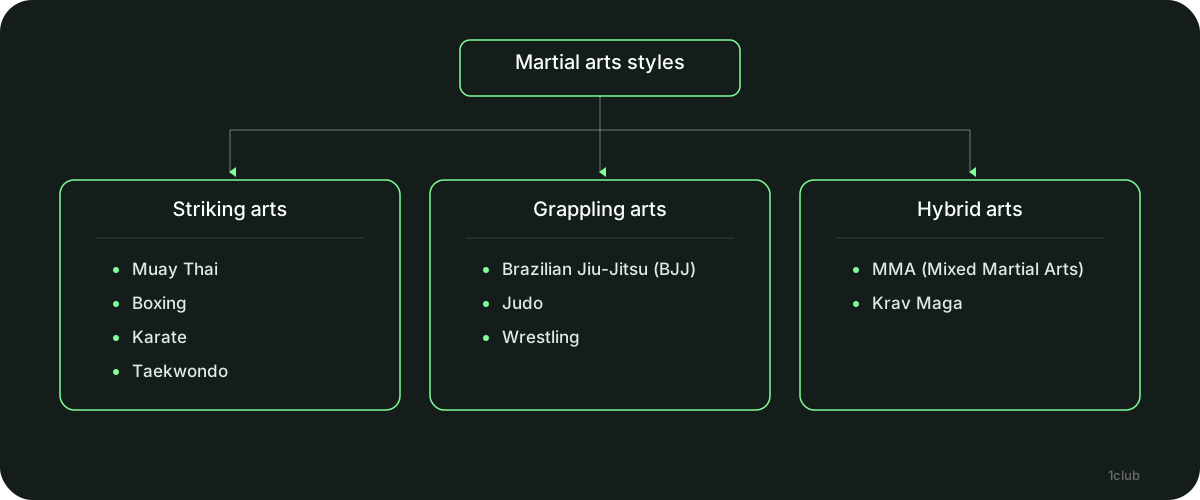
Most martial arts fall into one of two physical categories, though modern hybrid systems combine both.
Striking arts (stand-up): Punches, kicks, elbows, knees. Training focuses on distance, timing, and stance. Muay Thai, Karate, and Taekwondo are the most widely taught examples, and Karate and Taekwondo in particular remain staples of kids' programs worldwide.
Grappling arts (ground-based): Throws, takedowns, joint control, and positional dominance, with no striking involved. Brazilian Jiu-Jitsu, Judo, and Wrestling fall here. This category tends to be the most physically forgiving for beginners, since technique and leverage matter more than raw power.
Hybrid systems: MMA blends striking and grappling directly. Krav Maga pulls from multiple systems for fast, practical self-defense. Kali and Eskrima add weapons work into the mix.
Watching a few sparring or competition clips from each category will tell you more in ten minutes than any written description.
3. Factor In What's Actually Growing Right Now
A few shifts are worth knowing before you choose.
Brazilian Jiu-Jitsu has seen a sharp rise in interest over the past decade, driven largely by its central role in MMA and the growing visibility of grappling-specific events. Women now make up a noticeably larger share of martial arts participants than they did ten years ago, and many schools have built dedicated programs around that shift. Youth enrollment remains strong too, with a large share of martial arts students nationwide under 18, which is part of why family-friendly scheduling has become standard at most academies.
None of this should override your own goals, but it explains why some styles now have more beginner infrastructure, women's classes, adult beginner tracks, kids' programs than others.
4. Be Honest About Your Physical Situation
This isn't a barrier, just information worth weighing.
High-kicking styles like Taekwondo reward flexibility. Ground-based grappling like BJJ puts real load on your neck and shoulders early on. Weapons-based systems like Kali ask for sharp reflexes and upper-body endurance. Slower, form-based arts like Tai Chi are built around control rather than speed, which keeps them accessible across a wide age range.
Joint issues, limited mobility, or coming back from injury don't rule out martial arts. They rule out some styles more than others. Say so during a trial visit. A good instructor will tell you honestly whether a style fits your situation instead of just signing you up.
5. Look Past the Style to the Practical Realities
A common trap: spending weeks researching the philosophy of a specific art, then signing up at a school that doesn't fit your actual routine.
Location and schedule matter more than people expect. A school ten minutes away that you'll actually attend beats a highly-rated school 40 minutes away that you won't.
Cost varies by discipline more than people expect. Traditional dojo-style programs often run in a lower monthly range, especially for kids. BJJ academies and MMA gyms tend to sit higher, reflecting smaller class sizes and more instructor time per student. Ask directly about pricing, contract length, and any gear you'll need before you commit.
How smoothly the school runs day-to-day is a real signal, not a minor detail. A school where you can check the schedule, book a trial class, and sign a waiver online in a few minutes is usually better organized across the board than one that needs four phone calls to confirm a class time. If you're training alongside your kids, check whether the school makes it easy to manage the whole family under one account rather than juggling separate signups.
6. Evaluate the School Culture
The culture of a school will shape your experience more than the specific art itself. A great school teaching a secondary style beats a toxic school teaching the "perfect" one.
When you visit or take a trial class, pay attention to:
- Safety. How is sparring or live drilling supervised? Are experienced students looking out for beginners?
- Atmosphere. Welcoming, or cliquey toward newcomers?
- Instructor background. Where did they train, and for how long?
- Progress tracking. Is there a clear, visible system for ranks and belt milestones, so you can actually see your progress over time?
7. Think Long Term
Progression in most disciplines takes years, not months. Ranking systems exist because that's genuinely how long competence takes to build. Don't be afraid to try two or three disciplines before deciding. Most reputable schools offer a free or low-cost trial class, and that single session will tell you more than any amount of research.
Show up with an open mind, leave your ego at the door, and pick the environment where you feel safe, challenged, and motivated to come back.
Quick-Decision Recap
- Match your primary goal to a style category first
- Understand whether you're drawn to striking, grappling, or a hybrid approach
- Weigh location, cost, and how smoothly the school actually runs
- Visit multiple schools and take a trial class before deciding on style alone
- Be honest about physical limitations and check in with instructors
- Expect years, not months, before real competence
Are You a Martial Arts School Owner?
If you're on the other side of this decision, running the school instead of choosing one, 1club handles online booking, automated attendance, digital belt tracking, and family accounts, all in one place. Start free.
Still comparing options? See our breakdown of the best martial arts management software for 2026.
Frequently Asked Questions
How do I choose a martial art?
Start with your main goal. High-intensity fitness points toward Muay Thai, Karate, or Taekwondo. Practical self-defense points toward Brazilian Jiu-Jitsu or Krav Maga. Discipline and tradition point toward Judo, Aikido, or traditional Karate. From there, weigh logistics: a school you'll actually get to, a schedule that fits, and a trial class to confirm the fit.
What martial art should I learn as a beginner?
There's no single best starting point. Grappling arts like Brazilian Jiu-Jitsu tend to be the most physically forgiving for new students since technique matters more than raw strength. Striking arts like Karate or Taekwondo offer a more structured, traditional entry point. The right choice depends on your goals and body more than your experience level.
What is the best martial art for self-defense?
Brazilian Jiu-Jitsu and Krav Maga are the most commonly recommended. BJJ gives you control if a situation goes to the ground, which many altercations do. Krav Maga focuses on threat recognition and fast, practical responses. Many people train both.
Is it too late to start martial arts as an adult?
No. Many BJJ, Judo, and Karate practitioners start well into their 40s and beyond. Being honest with instructors about your fitness level and any injuries helps them guide you toward a sustainable pace.

Martin is a go-to-market executive, fitness enthusiast, and competitive basketball player. He's built and scaled global revenue teams at B2B SaaS companies, growing organizations from early stage to $15M+ in revenue. A lifelong athlete, Martin stays active through CrossFit, gym training, basketball, and snowboarding. At 1club, he's leading the go-to-market strategy and execution.